

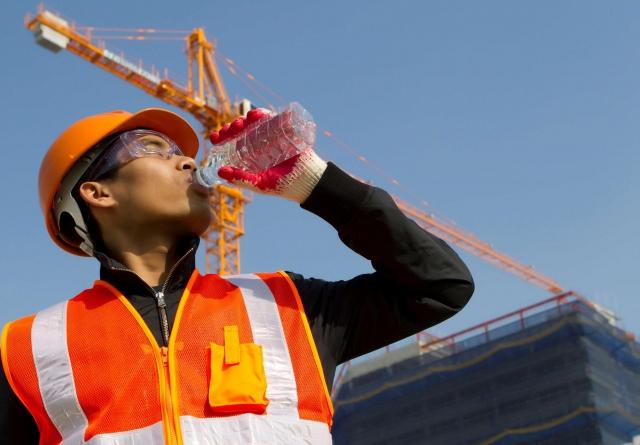
As climate patterns shift and heatwaves become more frequent across the UK, the risk of heat stress in outdoor workplaces is rising. Construction workers, landscapers, agricultural labourers, and road crews are particularly vulnerable due to prolonged exposure to high temperatures and direct sunlight.
Understanding the dangers of heat stress and implementing effective hydration management is crucial—not only for employee well-being but also for productivity and compliance with workplace safety regulations.
What Is Heat Stress?
Heat stress occurs when the body is unable to cool itself adequately, leading to a rise in core temperature. This can result in symptoms ranging from mild discomfort and fatigue to life-threatening conditions like heat exhaustion or heat stroke.
Common signs of heat stress include:
- Headache and dizziness
- Excessive sweating or, conversely, dry skin
- Muscle cramps
- Rapid heartbeat
- Nausea or vomiting
- Confusion or fainting
These symptoms may develop gradually and, if left unaddressed, can escalate quickly—posing serious risks to the worker's health and safety.
Why Outdoor Workers Are Most at Risk
Outdoor environments expose workers to the full force of the sun, particularly during summer months or extended heatwaves. Activities that require physical exertion, such as lifting, digging, or operating machinery, increase internal body heat, compounding the danger.
PPE (personal protective equipment), while essential for protection, can also trap heat and reduce airflow, making it even harder for the body to cool down. In areas like London, Essex, and Hampshire—where outdoor labour is common—there's a growing need for employers to implement site-specific precautions.
Legal Responsibilities for Employers
Under UK legislation, including the Health and Safety at Work Act 1974, employers have a legal duty to ensure the health, safety, and welfare of their employees at work. While there is no legal maximum workplace temperature, employers must assess risks and implement control measures where necessary.
Organisations focusing on Health and Safety London, Health and Safety Hampshire, and Health and Safety Essex have been actively reinforcing strategies to deal with heat-related risks in outdoor working environments. These strategies not only fulfil regulatory obligations but also foster a culture of care and responsibility within the workforce.
Hydration Management: The First Line of Defence
One of the simplest and most effective ways to combat heat stress is to maintain proper hydration. Dehydration affects both mental and physical performance and can significantly increase the risk of accidents or medical emergencies.
Tips for Effective Hydration Management:
- Provide Clean Drinking Water
Ensure easy access to cool, clean drinking water on-site. Water stations should be strategically placed and restocked regularly. - Encourage Frequent Water Breaks
Don't wait for workers to feel thirsty. Encourage small, frequent sips rather than large amounts at once. - Avoid Caffeine and Energy Drinks
These beverages can lead to increased fluid loss and should be discouraged during high-heat conditions. - Educate Workers
Training sessions on recognising dehydration symptoms and understanding their importance can go a long way in prevention.
Practical Measures to Reduce Heat Risk
In addition to hydration, several other practices can be implemented to safeguard outdoor workers:
1. Schedule Smartly
Adjust working hours to cooler parts of the day, such as early morning or late afternoon. Avoid strenuous tasks during peak heat.
2. Shaded Rest Areas
Set up shaded or air-conditioned rest zones where workers can take breaks and cool down.
3. Dress Code and PPE Adjustments
Allow for breathable, light-coloured clothing where possible. Use PPE designed for hot conditions, including ventilated helmets and cooling vests.
4. Monitor the Weather
Use weather apps or alerts to plan the workday according to expected temperature spikes and adjust workloads accordingly.
5. Buddy Systems
Encourage workers to look out for each other. Having a co-worker check in periodically helps identify early symptoms of heat stress and can prevent serious incidents.
The Role of Training and Supervision
Training plays a critical role in heat stress management. Supervisors should be equipped to:
- Identify early warning signs of heat illness
- Provide first aid until professional help arrives
- Enforce hydration and rest schedules
- Adjust work based on risk assessments
Many businesses are now including heat safety modules in their health and safety training, particularly in sectors where outdoor work is frequent.
Case Studies and Regional Focus
With urban heat effects intensifying in cities like London, and rural areas like Essex and Hampshire experiencing hotter summers, regional health and safety teams have begun implementing tailored heat management protocols.
For example:
- Construction firms focusing on Health and Safety in London are using smart PPE that monitors body temperature in real-time.
- Agricultural employers concerned with Health and Safety in Hampshire have introduced mobile hydration units and sun shelters across large worksites.
- Road maintenance companies addressing Health and Safety in Essex now integrate heat index forecasting into daily job planning.
These practical applications show that while the threat of heat stress is real, it can be effectively managed with the right approach.
Final Thoughts
As climate challenges continue to evolve, so too must our approach to workplace safety. Heat stress is a growing concern for outdoor workers across the UK, but with proactive hydration management, training, and thoughtful scheduling, its risks can be significantly reduced.
Employers must continue adapting their health and safety protocols to ensure that workers stay safe, healthy, and productive—even in extreme weather conditions. Prevention is not just best practice—it's a responsibility.
Also Prefer our other Blog :
https://michaellordan.blogspot.com/2025/09/asbestos-awareness-and-safe-handling.html